How Much Does a Concrete Patio Cost in Aurora, CO? A 2026 Homeowner’s Guide
A concrete patio is one of the most practical ways to improve a backyard, create more usable outdoor space, and add long-term value to a home. But before planning the project, most homeowners want to know one thing first: how much does a concrete patio cost in Aurora, CO?
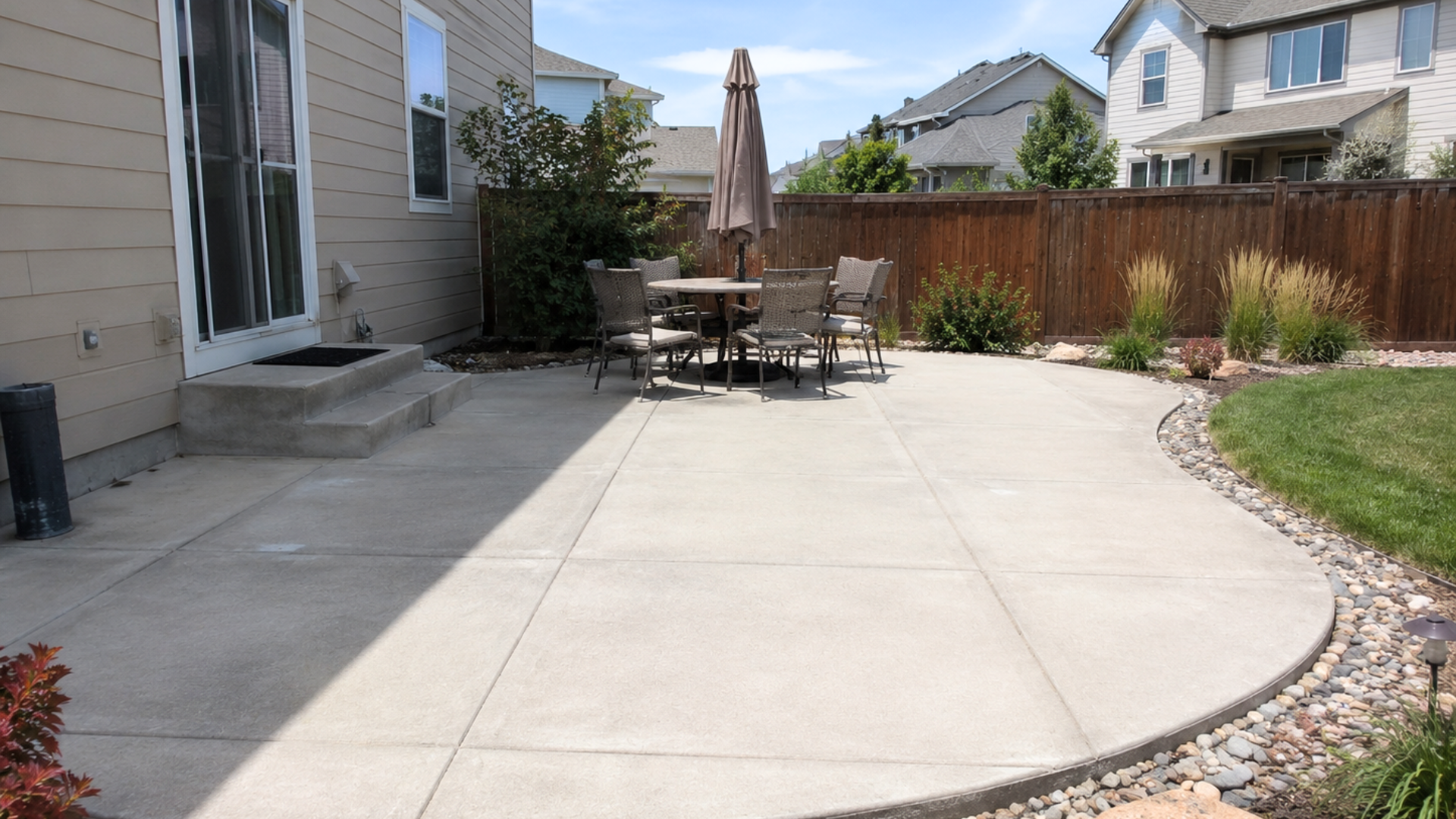
In 2026, most concrete patio projects in Aurora range from $4,500 to $15,000+, depending on patio size, site preparation, finish type, access, drainage, and design details. A simple broom-finish patio will cost less than a larger stamped or colored patio with decorative borders, steps, or complex layout work.
This guide breaks down realistic pricing, what affects the final cost, and how to plan a concrete patio that fits your home, budget, and long-term needs.
Average Concrete Patio Cost in Aurora, CO
Most homeowners in Aurora can expect a concrete patio to cost between
$10 and $22+ per square foot. Basic patios are usually on the lower end, while decorative or stamped patios cost more because they require additional labor, materials, and finishing work.
| Patio Type | Average Cost Per Sq. Ft. | Typical Project Range |
|---|---|---|
| Basic broom-finish concrete patio | $10–$14 | $4,500–$8,500 |
| Reinforced concrete patio | $12–$16 | $6,000–$10,500 |
| Stamped concrete patio | $16–$22+ | $8,500–$15,000+ |
| Colored or decorative patio | $15–$24+ | $8,000–$18,000+ |
These ranges are general planning numbers. The most accurate price comes from an on-site estimate because every backyard has different access, grading, drainage, and layout conditions.
If you are comparing patio options, FortifyCrete Co.’s concrete patio contractor in Aurora page is a strong place to connect readers who are ready to review service details.
What Affects Concrete Patio Pricing?
Concrete patio pricing is not based on size alone. Two patios with the same square footage can have very different costs depending on site conditions and finish choices.
Patio Size
Larger patios require more concrete, labor, formwork, and finishing time. A small seating area may only need a simple rectangular slab, while a larger outdoor living area may include multiple zones for dining, grilling, seating, and walkways.
Common patio sizes include:
| Patio Size | Common Use | Estimated Cost Range |
|---|---|---|
| 200 sq. ft. | Small seating area | $2,000–$4,800+ |
| 400 sq. ft. | Dining or lounge area | $4,000–$9,600+ |
| 600 sq. ft. | Large outdoor living space | $6,000–$14,400+ |
| 800+ sq. ft. | Expanded patio or entertainment area | $8,000–$19,000+ |
A larger patio often provides better usability, but it should still fit the yard naturally. A good patio layout considers traffic flow, furniture placement, shade, privacy, and access from the home.
Site Preparation
Site preparation can significantly affect cost. Before concrete is poured, the area needs to be cleared, excavated, graded, compacted, and prepared with a proper base.
Site preparation may include:
- Removing grass, soil, or old concrete
- Leveling uneven areas
- Compacting the subgrade
- Adding gravel base material
- Correcting drainage issues
- Preparing access for equipment
Aurora properties can vary in slope, soil condition, and drainage needs. A patio installed over a poorly prepared base is more likely to crack, settle, or hold water.
Patio Thickness
Most residential concrete patios are poured at around 4 inches thick. Some patios may need additional thickness or reinforcement depending on soil conditions, load expectations, or design requirements.
| Patio Use | Recommended Thickness |
|---|---|
| Standard residential patio | 4 inches |
| Patio with heavy furniture or grill area | 4 inches with reinforcement |
| High-use or specialty area | 5–6 inches when needed |
Thickness should match how the space will be used. A basic seating patio does not always need the same specifications as an area supporting heavy outdoor kitchens or large built-in features.
Reinforcement
Reinforcement helps control cracking and improve long-term performance. It does not make concrete crack-proof, but it helps the slab hold together better when movement occurs.
Common reinforcement options include:
- Wire mesh
- Rebar
- Fiber reinforcement
- Thickened edges in certain areas
Reinforcement may add to the upfront cost, but it can support better long-term durability, especially in Colorado’s freeze-thaw conditions.
Finish Type
The finish is one of the biggest cost factors. A standard broom finish is usually the most affordable. Decorative options cost more because they require more labor and detail work.
Common patio finishes include:
| Finish Type | Best For | Cost Level |
|---|---|---|
| Broom finish | Simple, slip-resistant patio | Lower |
| Smooth trowel finish | Covered or low-traffic areas | Lower to moderate |
| Exposed aggregate | Textured, decorative surface | Moderate |
| Colored concrete | Custom appearance | Moderate to higher |
| Stamped concrete | Stone, slate, brick, or tile look | Higher |
Homeowners who want a more custom patio often choose stamped or colored concrete. These finishes can create a more designed look without using individual pavers or natural stone.
For decorative options, readers can naturally visit the stamped and colored concrete in Aurora service page.
Standard Concrete Patio vs Stamped Concrete Patio
A standard concrete patio and a stamped concrete patio can both be good options, but they serve different goals.
Standard Concrete Patio
A standard patio works well for homeowners who want a clean, durable, and practical outdoor surface. It is usually the most cost-effective choice and offers a simple look that fits many homes.
Standard concrete is a good fit if you want:
- Lower upfront cost
- Clean appearance
- Slip-resistant broom finish
- Low maintenance
- Practical outdoor space
Stamped Concrete Patio
A stamped concrete patio adds pattern, texture, and color. It can mimic the look of stone, slate, brick, or tile while keeping the benefits of poured concrete.
Stamped concrete is a good fit if you want:
- More visual character
- Decorative texture
- Custom color options
- A patio that complements landscaping
- Higher-end outdoor living appeal
Stamped concrete usually costs more, but it can make a backyard feel more finished and intentional.
Why Aurora’s Climate Matters for Patio Cost
Aurora’s climate affects how patios should be designed and installed. Concrete must handle temperature swings, snow, moisture, and freeze-thaw cycles.
This means proper installation should include:
- Good drainage planning
- Stable base preparation
- Correct concrete mix
- Proper joint placement
- Adequate curing
- Sealing when appropriate
A cheaper patio that skips these steps may cost less at first, but it can develop issues sooner. In Aurora, quality preparation matters because moisture and ground movement can place stress on the slab.
Homeowners who want to understand how proper installation reduces cracking can review
What Can Be Done to Prevent Concrete Driveway Cracking? Even though that article focuses on driveways, many of the same concrete principles apply to patios.
Concrete Patio Cost Compared to Other Patio Materials
Concrete is popular because it offers a strong balance between cost, durability, appearance, and maintenance.
| Patio Material | Typical Cost Level | Maintenance Level | Design Flexibility |
|---|---|---|---|
| Concrete | Moderate | Low | Moderate to high |
| Stamped concrete | Moderate to high | Low to moderate | High |
| Pavers | Higher | Moderate | High |
| Natural stone | High | Moderate | High |
| Gravel | Low | Moderate to high | Low |
Pavers and natural stone can look beautiful, but they often cost more and may require more ongoing maintenance. Gravel is affordable, but it does not provide the same stable, finished surface for furniture, dining, or entertaining.
Concrete works well for homeowners who want a clean, usable patio without excessive upkeep.
Common Patio Design Options That Affect Price
The more design details added, the more the project may cost. Some upgrades are worth considering if they improve the function and appearance of the space.
Patio Shape
A basic square or rectangle is usually the most affordable. Curved edges, multiple sections, and custom layouts require more forming and labor.
Decorative Borders
Borders can define the patio and add a finished appearance. They may be stamped, colored, or poured in a contrasting finish.
Steps and Transitions
If the patio connects to a door, walkway, or sloped yard, steps or transitions may be needed. These details add labor but improve safety and usability.
Walkway Connections
Some homeowners connect the patio to side yards, driveways, garden paths, or outdoor structures. If the project includes access paths, FortifyCrete’s concrete sidewalks and walkways in Aurora page can be a useful internal link.
Drainage Adjustments
Drainage should never be an afterthought. If water collects near the home or patio area, grading or drainage corrections may be needed before the patio is installed.
How to Plan a Concrete Patio That Fits Your Budget
A well-planned patio does not always mean choosing the most expensive option. It means making smart decisions based on how you will use the space.
Decide How the Patio Will Be Used
Before focusing on finishes, think about daily use.
Will the patio be used for:
- Outdoor dining
- Grilling
- Lounge seating
- Fire pit area
- Entertaining
- Quiet backyard space
A patio designed around real use will feel more comfortable and functional.
Choose the Right Size
Bigger is not always better. A patio should match the yard and leave enough room for landscaping, drainage, and movement around the space.
A common mistake is making the patio too small for furniture. Measure your outdoor furniture before finalizing the layout.
Prioritize Preparation Over Decoration
Decorative finishes are valuable, but preparation is more important. A well-prepared standard patio will usually perform better than a decorative patio installed over a weak base.
Leave Room in the Budget for Drainage
Drainage issues can shorten the life of a patio. If the yard has slope problems or water buildup, address those issues during planning.
Concrete Patio Maintenance Costs
Concrete patios are relatively low maintenance, but they still need care.
Typical maintenance includes:
- Sweeping and rinsing the surface
- Cleaning stains early
- Resealing when needed
- Keeping drainage areas clear
- Addressing small cracks before they spread
Stamped or colored concrete may need more careful sealing to protect the finish and color.
| Maintenance Task | Typical Frequency |
|---|---|
| Basic cleaning | As needed |
| Deep cleaning | 1–2 times per year |
| Sealing standard concrete | Every 2–3 years |
| Sealing stamped concrete | Every 2–3 years or as needed |
| Crack inspection | Every spring and fall |
Maintenance is one of the easiest ways to protect the value of the patio over time.
Common Mistakes Homeowners Make When Budgeting for a Patio
Only Comparing Square Foot Prices
Square foot pricing helps, but it does not tell the whole story. One contractor may include proper excavation, base prep, reinforcement, and cleanup, while another may not.
Choosing the Cheapest Bid Without Reviewing Scope
A lower bid may leave out important steps. Homeowners should ask what is included before comparing prices.
Ignoring Drainage
A patio that drains poorly can cause water problems near the home and shorten the life of the concrete.
Underestimating Size Needs
A patio should have enough room for furniture and movement. A small patio may cost less, but it can feel cramped once furniture is added.
Waiting Too Long to Replace a Failing Patio
Old, uneven, or cracked patios can become harder and more expensive to replace if underlying issues worsen.
When Should You Replace an Existing Concrete Patio?
Some patios can be repaired, while others are better replaced. Replacement may make sense if the patio has:
- Widespread cracking
- Uneven or sunken sections
- Poor drainage
- Surface deterioration across large areas
- A layout that no longer fits your needs
If the patio connects to other concrete areas, such as walkways or a driveway, the replacement plan should consider how all surfaces work together.
For homeowners comparing repair and replacement decisions, the driveway-focused guide
Concrete Driveway Repair vs Replacement in Aurora can still provide helpful context around concrete failure signs and long-term value.
How Long Does Concrete Patio Installation Take?
Most residential concrete patios take several days from preparation to pour, with curing time after installation.
| Project Stage | Typical Timeline |
|---|---|
| Site evaluation and planning | 1 visit |
| Excavation and prep | 1–2 days |
| Forming and base work | 1 day |
| Pouring and finishing | 1 day |
| Initial curing | 24–48 hours |
| Light use | After a few days |
| Full cure | About 28 days |
Weather can affect the schedule. Concrete should be placed and cured under appropriate conditions to reduce the risk of early cracking or surface issues.
How FortifyCrete Co. Approaches Concrete Patio Projects
FortifyCrete Co. works with homeowners throughout Aurora to plan patios around function, appearance, and long-term performance. The process starts with understanding the yard, how the space will be used, and what conditions may affect the installation.
A professional patio project should include clear planning, proper preparation, and realistic recommendations. The goal is not just to pour a slab, but to create an outdoor surface that fits the home and holds up well over time.
Frequently Asked Questions About Concrete Patio Cost in Aurora
How much does a concrete patio cost in Aurora, CO?
Most concrete patios in Aurora cost between $4,500 and $15,000+, depending on size, finish, preparation needs, and design details. Basic patios cost less, while stamped or colored patios cost more.
Is stamped concrete worth the extra cost for a patio?
Stamped concrete can be worth it if appearance is a priority. It adds texture, pattern, and color options that create a more finished outdoor living area.
What is the most affordable concrete patio finish?
A broom finish is usually the most affordable. It provides a clean look and good traction for outdoor use.
How long does a concrete patio last?
A properly installed and maintained concrete patio can last 25 years or longer. Longevity depends on base preparation, drainage, concrete quality, sealing, and maintenance.
Does a concrete patio need reinforcement?
Many patios benefit from reinforcement, especially in areas with freeze-thaw cycles or unstable soil conditions. Reinforcement helps control cracking and improve performance.
Can a concrete patio be installed over an old patio?
In most cases, removing the old patio is better. Pouring over failing concrete may not solve underlying problems and can lead to future cracking or settling.
What is the best time of year to install a concrete patio in Aurora?
Spring through fall is typically ideal because temperatures are more stable. However, timing depends on weather, contractor availability, and site conditions.
Does a concrete patio increase home value?
A well-designed patio can improve outdoor usability and curb appeal. While exact value varies, buyers often see usable outdoor space as a strong benefit.
Your Next Step
A concrete patio can be a smart investment when it is planned carefully and installed correctly. The final cost depends on size, finish, site preparation, drainage, and the level of detail involved.
If you are considering a new patio or replacing an older surface, FortifyCrete Co. can help you understand your options, review your property conditions, and provide a clear estimate based on your goals.
For homeowners in Aurora, the best next step is to schedule a project discussion and get a realistic patio estimate before making design or budget decisions.