Concrete Driveway Repair vs Replacement in Aurora: How to Know What Your Driveway Really Needs
When a concrete driveway starts showing cracks, surface damage, or uneven areas, homeowners often face the same question: should it be repaired, or is it time for a full replacement? The answer is not always obvious. Some issues are cosmetic and manageable, while others point to deeper structural problems that repairs will not solve.
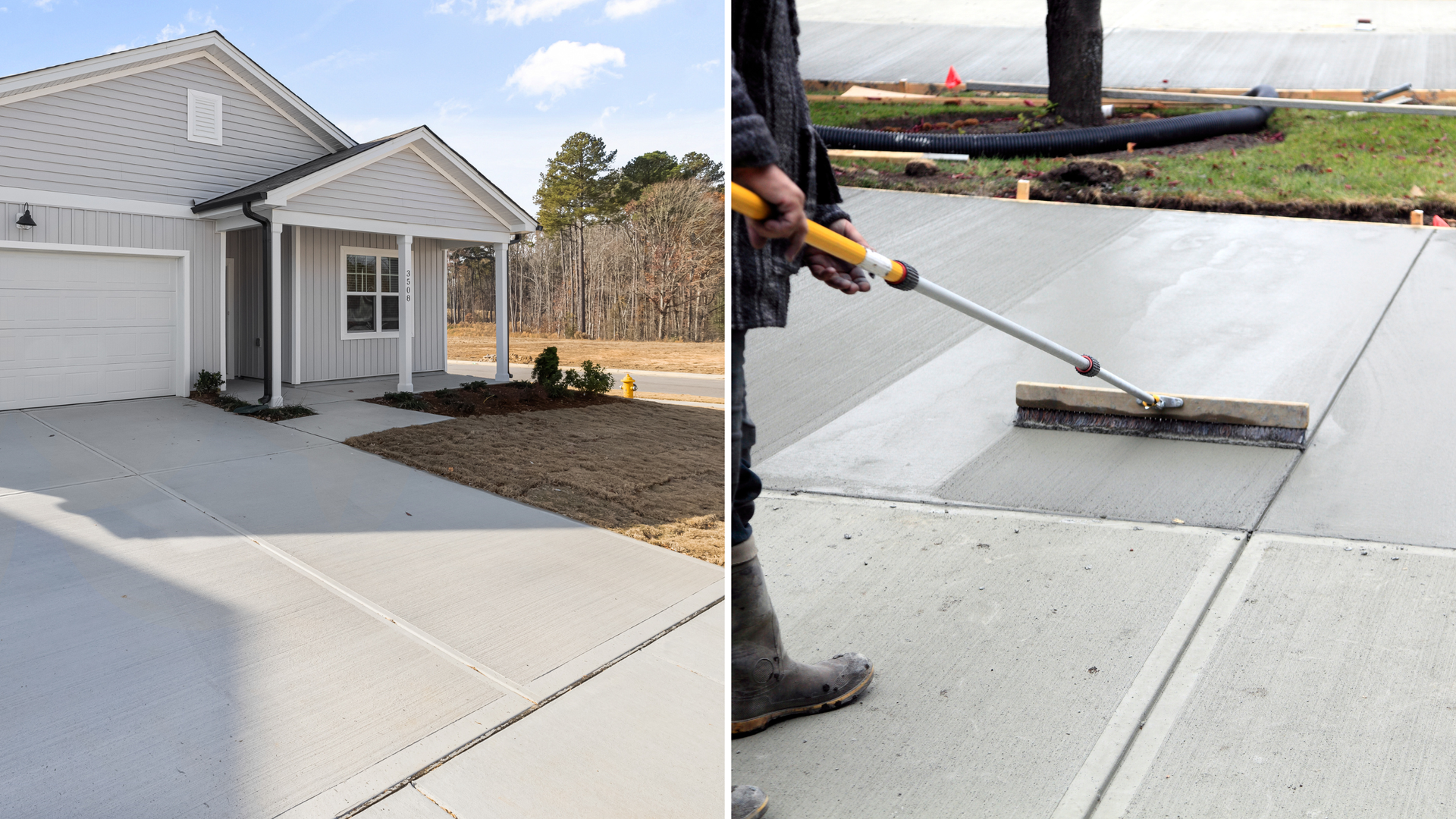
This guide explains how to evaluate your driveway, understand the difference between repairable damage and replacement-level failure, and make a decision that fits your property, budget, and long-term plans. The focus is practical and local, based on what actually happens to concrete driveways in Aurora’s climate.
If your goal is to avoid unnecessary costs while protecting your home’s value, understanding this distinction matters.
Why This Decision Matters for Aurora Homeowners
Aurora’s weather plays a major role in how concrete driveways age. Freeze–thaw cycles, snow removal, de-icing products, and soil movement all affect performance over time. A driveway that looks “bad” on the surface may still be structurally sound. On the other hand, a driveway with small visible cracks may already be failing below the surface.
Choosing repair when replacement is needed often leads to repeat costs and frustration. Choosing replacement too early can mean spending more than necessary. The right choice depends on damage type, extent, and cause.
For an overview of driveway construction standards and performance expectations, it helps to start with exploring our Concrete Driveway Services.
Common Signs of Concrete Driveway Damage
Before deciding on repair or replacement, it is important to understand what you are seeing and why it is happening.
Surface Cracks
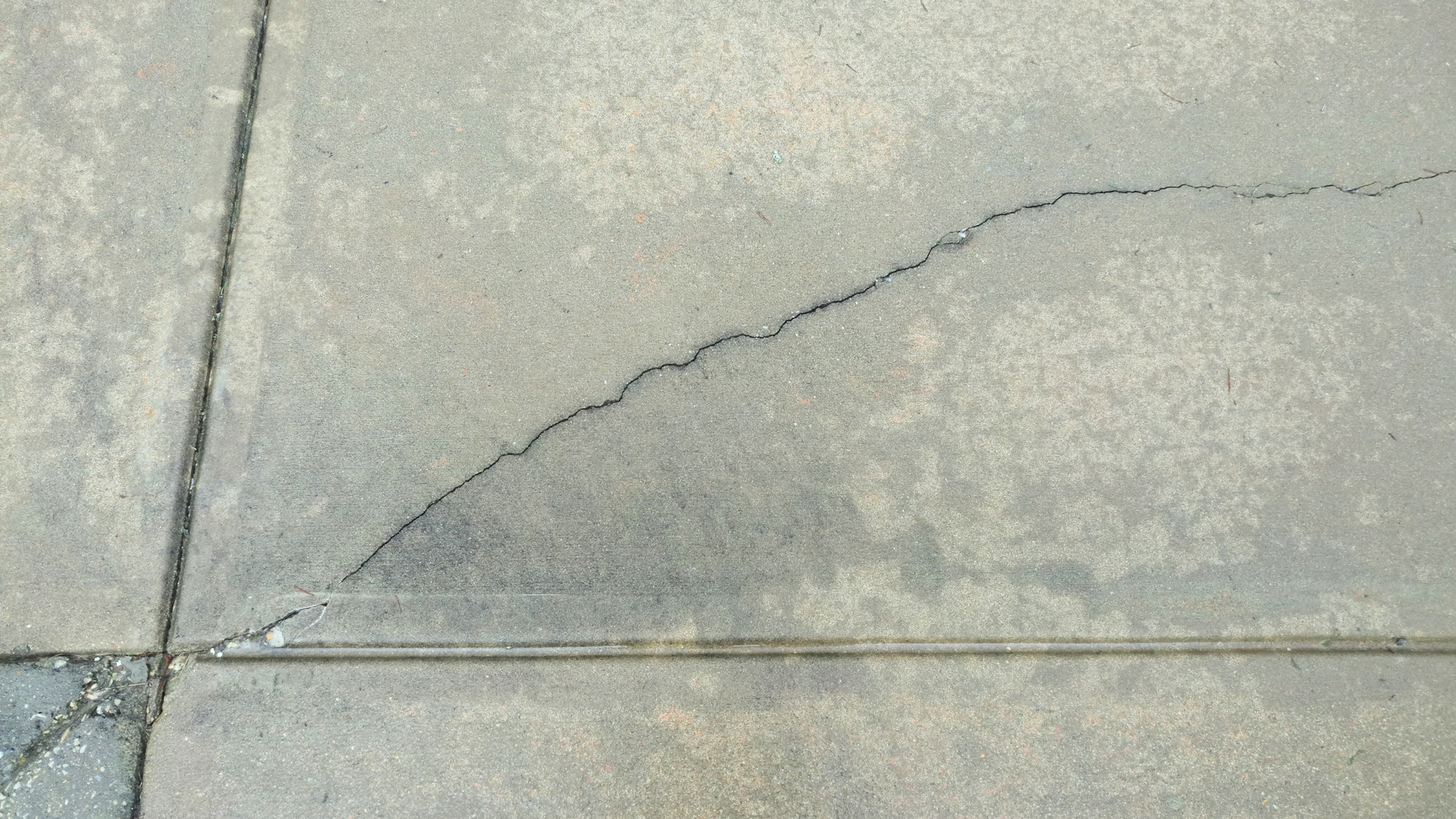
Small cracks are common and often cosmetic. These typically result from normal shrinkage or minor temperature movement. When cracks are narrow, stable, and limited in number, they can often be repaired or sealed effectively.
Wide or Expanding Cracks
Cracks wider than about a quarter inch, cracks that continue to grow, or cracks that form patterns across large sections of the driveway may indicate structural movement or base failure.
Uneven or Sunken Sections
If part of the driveway has sunk or shifted, the issue usually involves the soil or base beneath the concrete. This type of damage often affects drainage and safety.
Surface Scaling or Spalling
Scaling occurs when the top layer of concrete flakes or peels away. This is common in areas exposed to freeze–thaw cycles and de-icing salts.
Standing Water
Pooled water after rain or snowmelt often means the driveway has lost proper slope. This can accelerate deterioration and increase winter damage.
REPAIR VS. REPLACEMENT: WHICH MAKES SENSE FOR YOUR CONCRETE DRIVEWAY?
When Concrete Driveway Repair Makes Sense
Repair is often the right choice when damage is limited, stable, and not caused by underlying structural failure.
Hairline and Minor Cracks
- Small cracks that are not spreading can usually be sealed or filled. This helps prevent moisture intrusion and slows further deterioration.
Isolated Surface Damage
- Minor scaling, small chips, or localized surface wear can sometimes be addressed with patching or resurfacing, depending on severity.
Early-Stage Wear
- If the driveway is relatively young and problems are limited, repair can extend its useful life at a lower cost than replacement.
Budget-Conscious Short-Term Solutions
- In some cases, homeowners plan to replace the driveway later but want to improve appearance or function in the meantime. Repairs can be a practical short-term option.
When Concrete Driveway Replacement Is the Better Option
Replacement becomes the better choice when damage affects structural integrity or performance.
Widespread Cracking
- Multiple large cracks across the driveway often indicate base movement or poor original preparation. Repairs in these cases tend to fail over time.
Severe Settlement or Heaving
- Significant unevenness is usually tied to soil issues. Repairing the surface alone will not address the underlying problem.
Advanced Scaling or Spalling
- When surface deterioration is widespread and deep, repairs may not bond well or last long.
Drainage and Slope Failure
- If the driveway no longer directs water away from the home, replacement may be required to re-establish proper grading.
End-of-Life Driveways
- Concrete driveways typically last 25 to 30 years with proper installation and care. When a driveway reaches this stage, replacement is often more cost-effective than repeated repairs.
How Aurora’s Climate Influences Repair vs Replacement
Freeze–thaw cycles are one of the biggest factors affecting concrete performance in Aurora. Water enters cracks or pores, freezes, expands, and gradually worsens damage. This cycle can turn minor issues into major ones over time.
If damage is primarily surface-level and moisture has not reached the base, repair can work well. If freeze–thaw action has already compromised the subgrade, replacement is usually the more reliable option.
Understanding how the driveway was built originally is also important. Poor base preparation or inadequate thickness often leads to premature failure.
For a detailed breakdown of how driveways are constructed locally, review our Concrete Driveway Installation in Aurora: Step-by-Step Guide for Homeowners.
Cost Differences Between Repair and Replacement
Cost is a major factor for most homeowners, but it should be considered alongside durability and long-term value.
Repair Costs
Repair costs vary widely depending on damage type and extent. Minor crack sealing is relatively inexpensive, while larger patching or resurfacing projects cost more.
Repairs are usually appealing because of the lower upfront expense. However, repeated repairs over several years can add up.
Replacement Costs
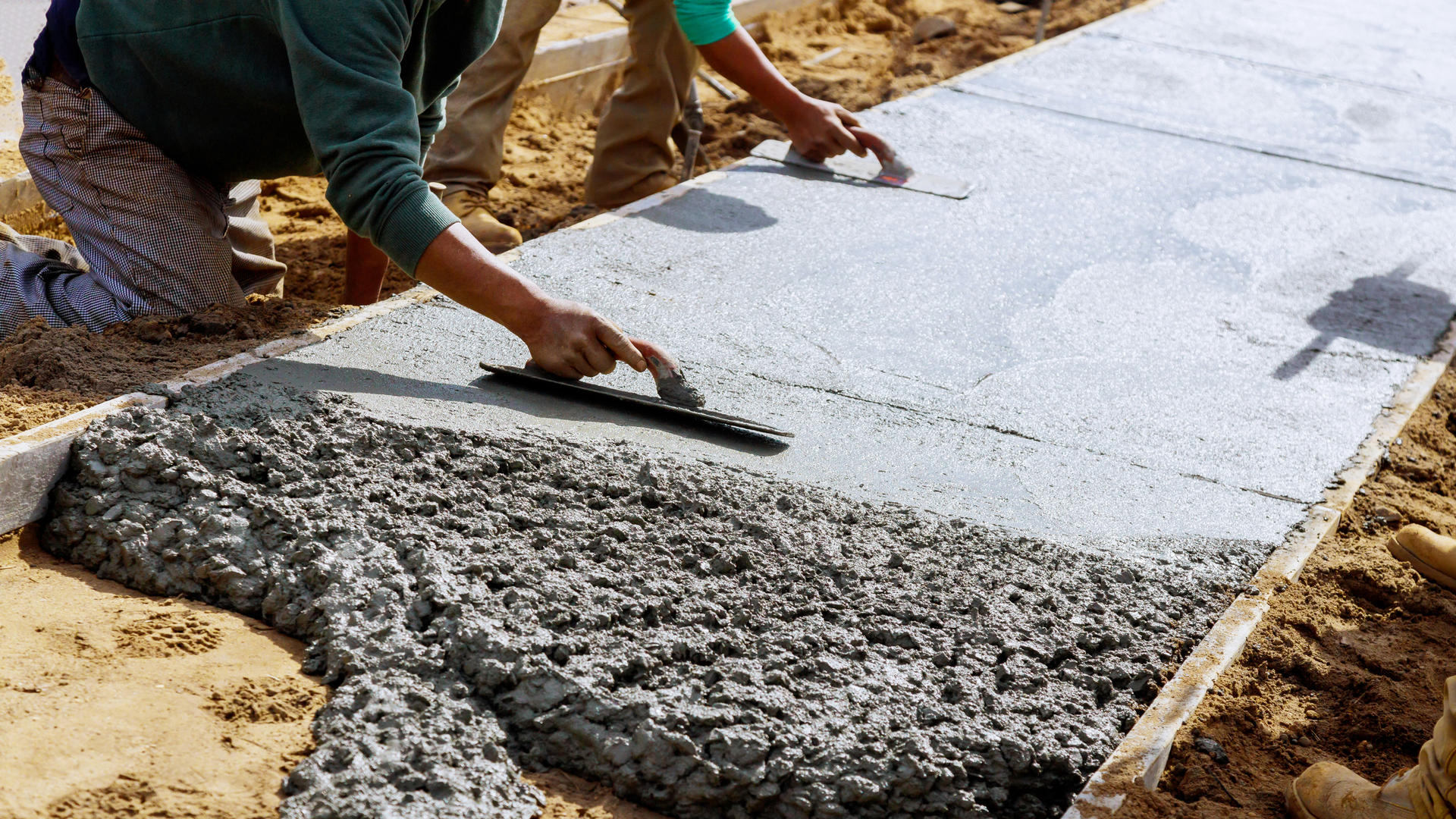
Replacement has a higher upfront cost, but it resets the driveway’s lifespan and addresses underlying issues.
To understand current pricing and budgeting considerations, see our Concrete Driveway Cost in Aurora guide.
Repair vs Replacement: Performance Expectations
What Repairs Can Realistically Do
Repairs can:
- Improve appearance
- Slow further deterioration
- Address isolated issues
Repairs generally cannot:
- Fix widespread base failure
- Correct major slope problems
- Restore full structural integrity to severely damaged driveways
What Replacement Provides
Replacement allows:
- Proper base preparation
- Correct thickness selection
- Improved drainage design
- Long-term durability
For homeowners planning to stay in their home long term, replacement often delivers better overall value.
How Driveway Age Affects the Decision
Age alone does not determine whether repair or replacement is needed, but it provides context.
- Under 10 years old: Repairs often make sense if damage is limited
- 10–20 years old: Decision depends on condition and construction quality
- Over 25 years old: Replacement is often the more practical option
A professional evaluation helps determine whether the driveway still has structural life remaining.
A Practical Decision Framework for Homeowners
When deciding between repair and replacement, consider the following:
- How widespread is the damage?
- Is the driveway level and draining properly?
- How old is the concrete?
- Are cracks stable or expanding?
- What is your long-term plan for the property?
Answering these questions helps clarify which option aligns with your goals.
Why Professional Evaluation Matters
Some driveway issues look worse than they are. Others look minor but signal deeper problems. A professional evaluation identifies:
Root causes of damage
- Whether the base is still sound
- The likelihood of repair success
- Long-term cost implications
This helps homeowners avoid decisions based on appearance alone.
How FortifyCrete Co. Approaches Repair vs Replacement Decisions
FortifyCrete Co. focuses on practical, long-term solutions rather than defaulting to the most expensive option. Evaluations are based on site conditions, driveway performance, and realistic expectations for repair longevity.
Homeowners receive clear guidance on whether repairs are worth pursuing or if replacement is the better investment.
Frequently Asked Questions About Driveway Repair and Replacement
Can cracks always be repaired?
- Small, stable cracks can often be repaired. Large or expanding cracks may indicate deeper issues.
Will repairs make my driveway look new?
- Repairs improve appearance but may not fully restore uniform color or texture.
How long do driveway repairs last?
- Longevity depends on damage type, repair method, and environmental exposure.
Is replacement disruptive?
- Replacement involves more work but is usually completed within a predictable timeline.
Does replacement increase home value?
- A new, well-installed driveway can improve curb appeal and perceived property value.
Final Thoughts
Choosing between concrete driveway repair and replacement requires more than a quick visual assessment. The right decision depends on damage severity, structural condition, climate exposure, and long-term plans for the property.
In Aurora, where weather and soil conditions place added stress on concrete, understanding these factors helps homeowners make informed, cost-effective decisions. Whether repair or replacement is appropriate, the goal is the same: a safe, durable driveway that performs well over time.
For homeowners evaluating their options, FortifyCrete Co. provides experienced guidance rooted in real-world conditions and long-term performance expectations.