Concrete Driveway Installation in Aurora: Step-by-Step Guide for Homeowners
A new concrete driveway is one of the most valuable improvements you can make to your property. It enhances curb appeal, improves functionality, and increases long-term value. If you are planning a driveway upgrade this year, it helps to understand what the process looks like from start to finish. This guide explains every step of concrete driveway installation in Aurora, written specifically for Colorado homeowners.
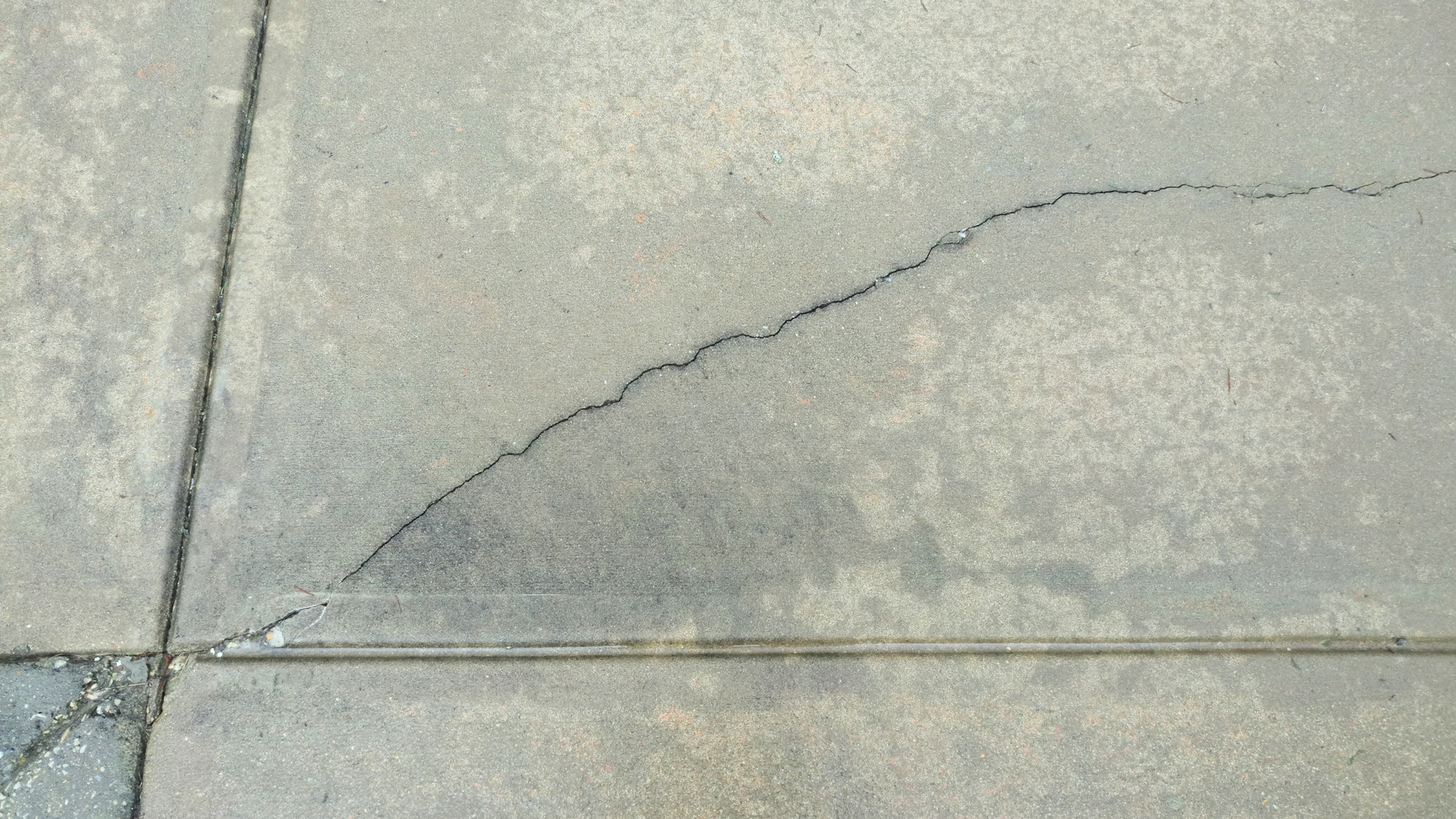
Aurora’s climate, soil conditions, and freeze–thaw cycles create unique challenges that influence how a driveway must be installed. When the work is done correctly, you get a strong and durable surface that performs well for many years. When shortcuts are taken, common issues like cracking, sinking, and scaling begin to show up early.
Below is a clear, homeowner-friendly breakdown of what happens during installation and what to expect throughout the process.
What Homeowners Should Know Before Installing a Concrete Driveway
Understand Aurora’s Climate
Aurora experiences significant temperature swings, seasonal freeze–thaw cycles, and soils that can shift when moisture levels change. These conditions directly impact concrete performance. Proper base preparation, reinforcement, drainage, and curing are essential for preventing cracking and premature wear.
How Property Layout Affects Installation
Your driveway is shaped by more than design preference. Installers evaluate several factors, such as:
- Natural slope and water flow
- How water moves across your property
- Access to the garage and street
- Whether your soil is stable or soft
- How much excavation is required
The layout influences drainage planning, base depth, and overall cost. A smooth installation always starts with a detailed site evaluation.
Step 1: Planning and Initial Site Evaluation
Before any construction begins, a contractor performs a full on-site assessment. This helps determine what your driveway needs structurally and visually.
What the Contractor Looks For
- Soil stability and compaction
- Whether an old driveway must be removed
- Ideal driveway thickness for the home
- How much excavation is needed
- Space for trucks and equipment
Homes in Aurora often require thicker slabs due to snow loads and freeze–thaw cycles. Many Denver-metro homeowners choose a 4-inch standard slab or a 6-inch slab for added strength.
HOA and City Requirements
Some neighborhoods require approvals for driveway expansions, decorative finishes, or material changes. Aurora also has specific rules relating to:
- Setbacks
- Sidewalk tie-ins
- Street approach requirements
- Disposal of old concrete
A reputable Aurora concrete driveway contractor handles all necessary permits and guides you through HOA steps when needed.
Step 2: Demolition and Excavation
Once planning is complete, old material is removed and the area is prepared.
Removing an Existing Driveway
If you already have a driveway, it must be broken up and hauled away. Contractors use breakers, skid steers, and dump trucks to remove the old slab quickly and cleanly.
Digging to the Correct Depth
After demolition, excavation begins. Installers dig the area to a depth that allows room for:
- A stable gravel base
- Reinforcement
- The full thickness of the concrete slab
Typical excavation ranges from 4 to 8 inches depending on soil type and driveway thickness.
Step 3: Building the Base Layer
This is one of the most important steps in driveway installation.
Why Base Compaction Matters
Aurora’s moisture changes and freeze–thaw cycles make the ground expand and contract throughout the year. A strong, compacted base prevents shifting and sinking. Without it, cracks and settling occur much sooner.
Gravel Depth and Compaction
A high-quality gravel base is installed in layers and compacted with professional equipment. This creates a firm and level foundation for the concrete. The base also assists with drainage, which helps protect the slab in winter.
Step 4: Setting Forms and Installing Reinforcement
Formwork Shape, Slope, and Edges
Wood or metal forms outline the shape of your driveway. Installers also create the required slope so water moves away from the garage and home. Proper slope prevents water pooling, which is crucial in Colorado winters.
Rebar vs Wire Mesh
Reinforcement strengthens the driveway and reduces the risk of cracking. Your contractor may use:
- Steel rebar
- Wire mesh
- A combination of both
The choice depends on the design, slab thickness, and soil conditions.
Step 5: Pouring the Concrete
Once everything is prepared, it is time to pour the concrete.
Concrete Mix Designed for Colorado Weather
Driveways in Aurora require concrete mixes designed for strength and durability. A strong mix with the right air content helps resist freeze–thaw damage during winter.
The Pouring Process
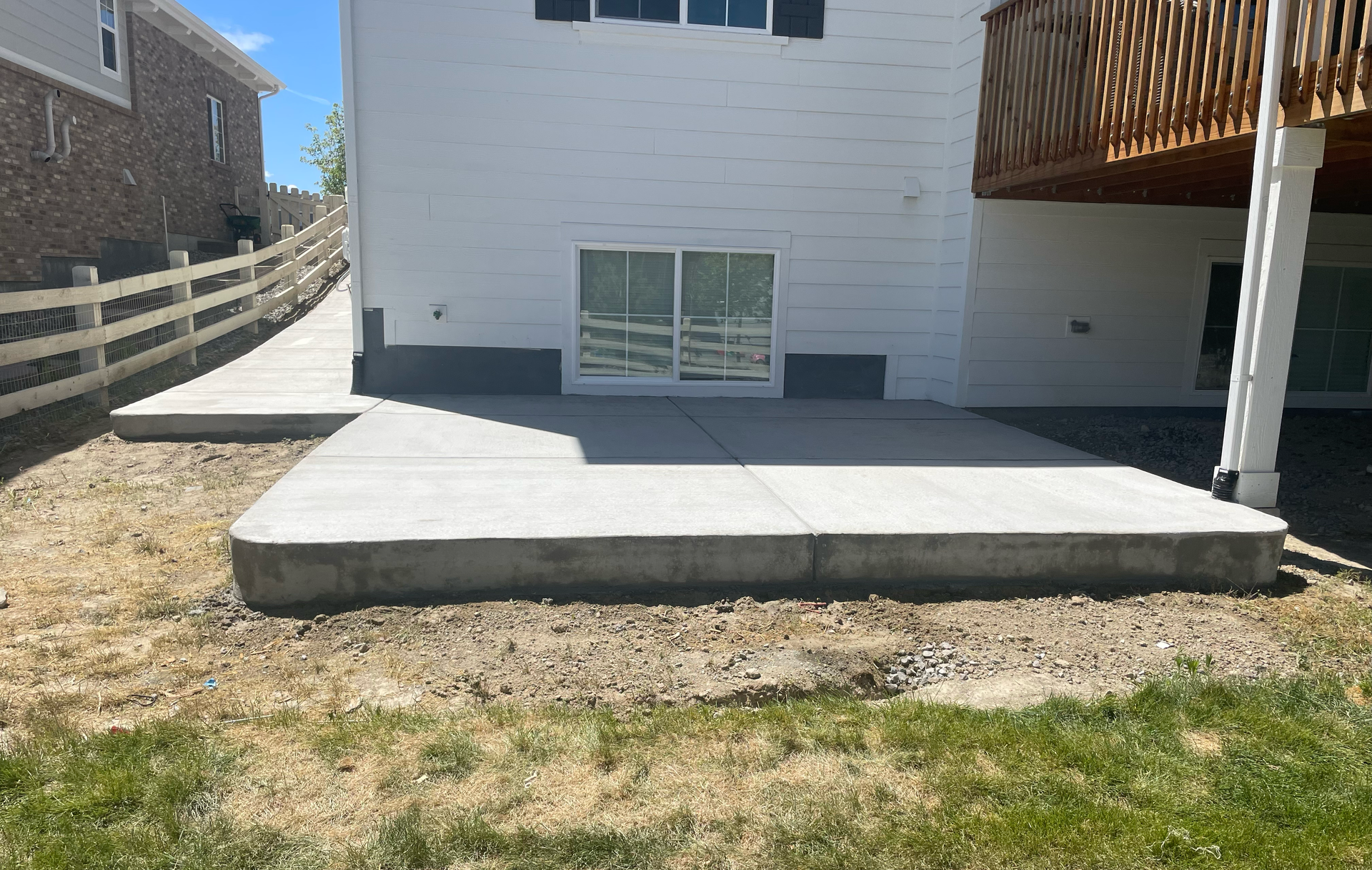
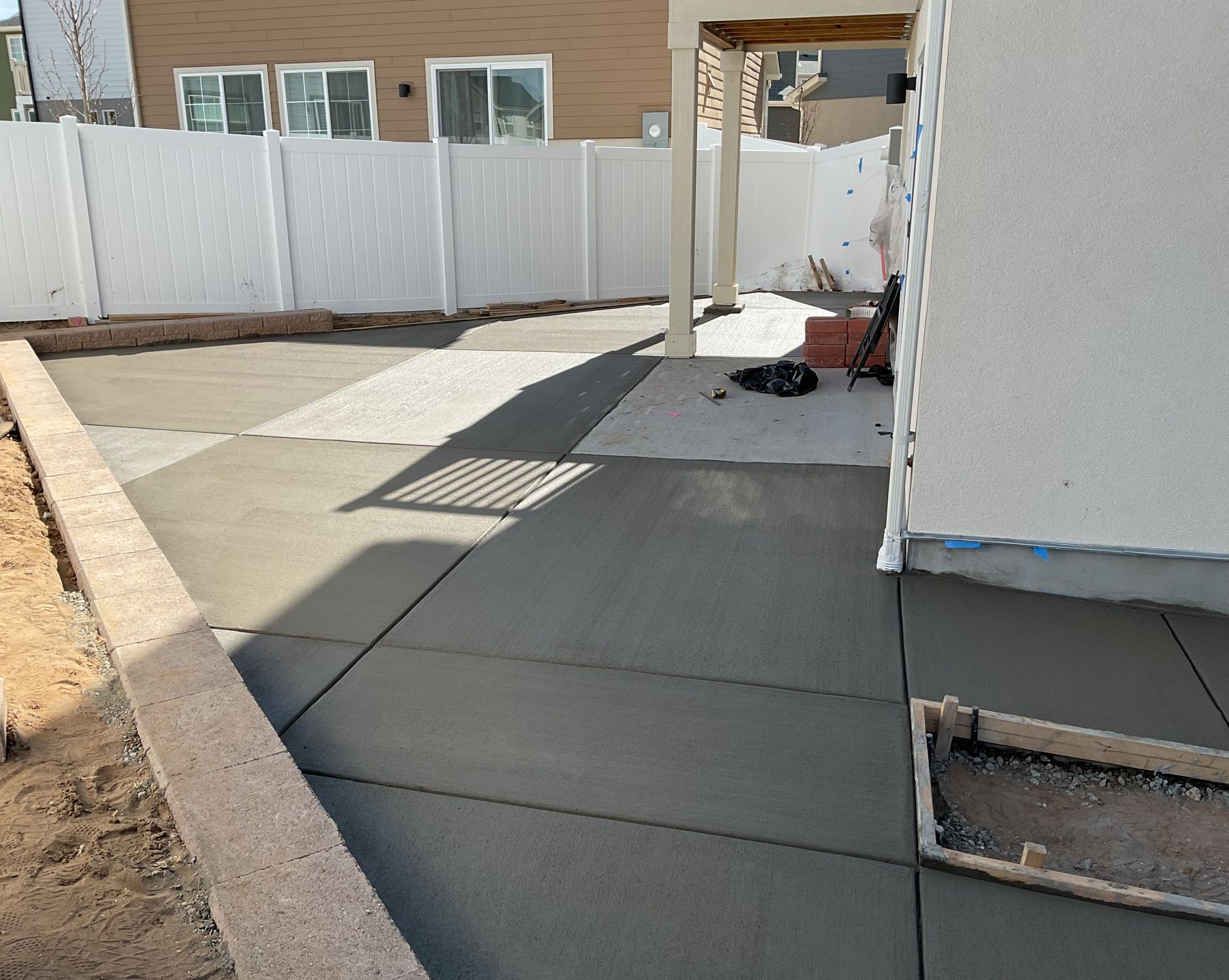
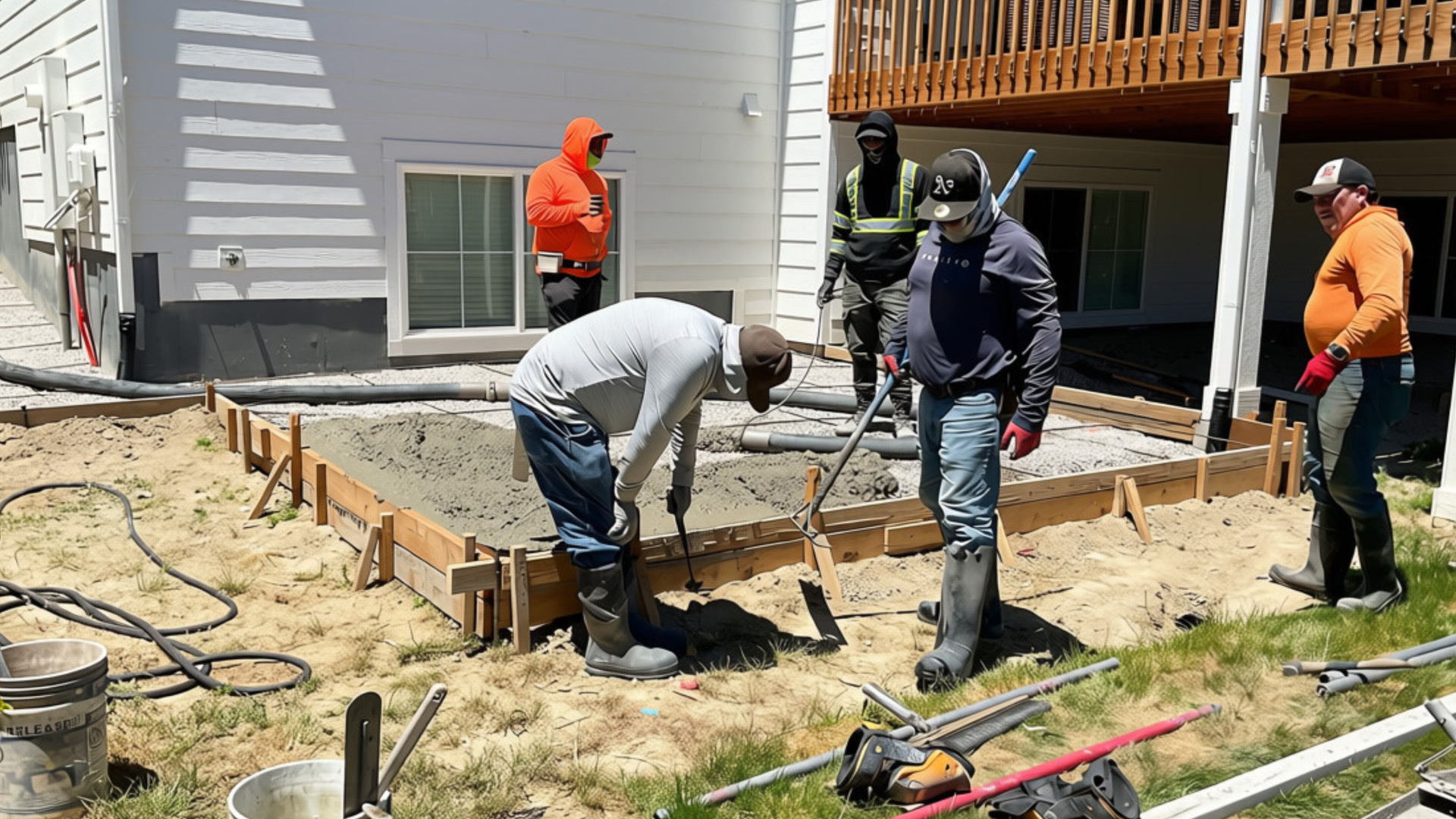
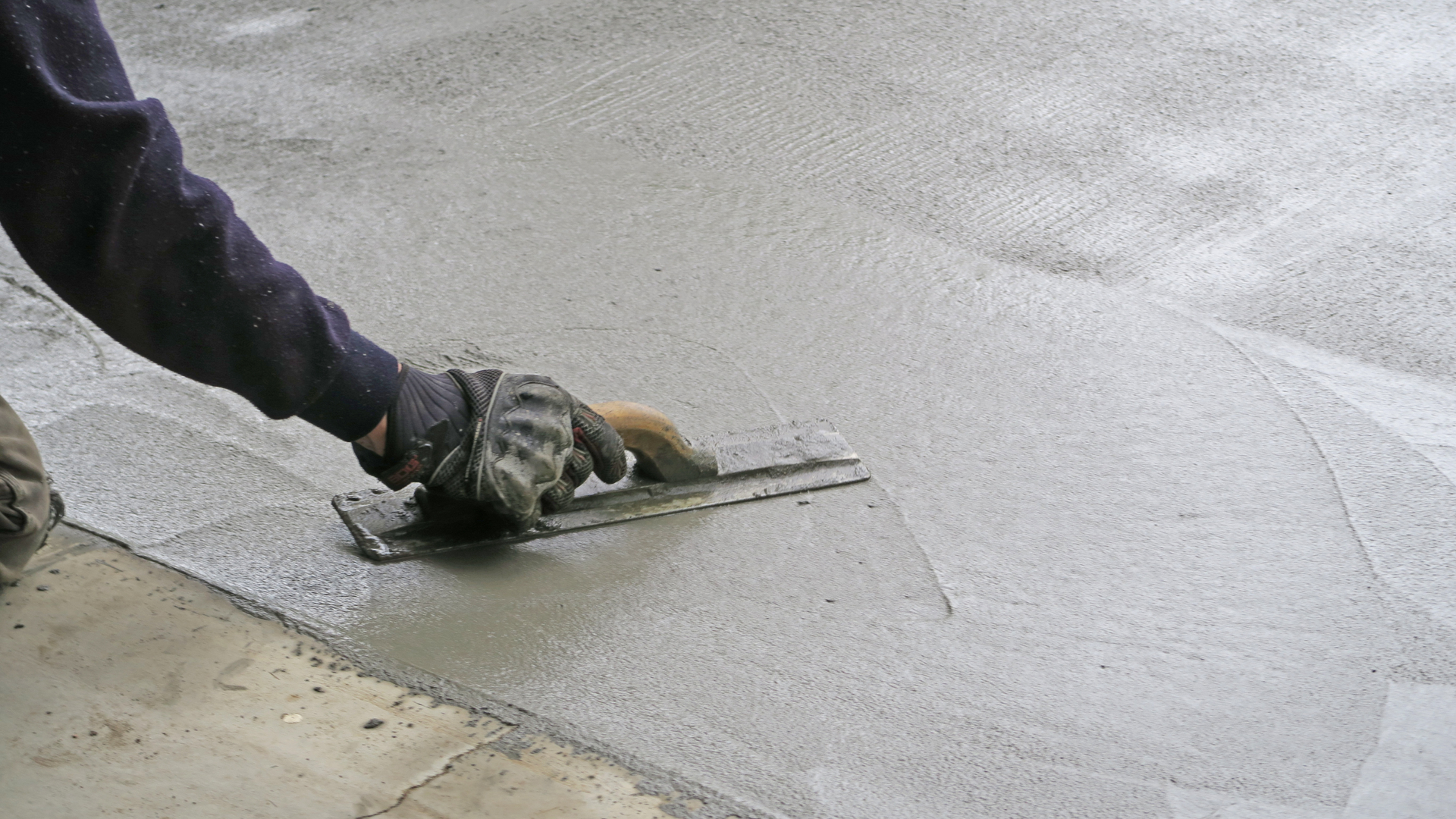
Concrete is delivered by truck and placed evenly across the forms. Installers use rakes, screeds, and power tools to level the surface and create a smooth foundation for finishing.
How Long Pouring Takes
Most driveways can be poured within a few hours. Larger or complex driveways may require additional time.
Step 6: Finishing the Surface
After pouring, finishing determines the driveway’s final look.
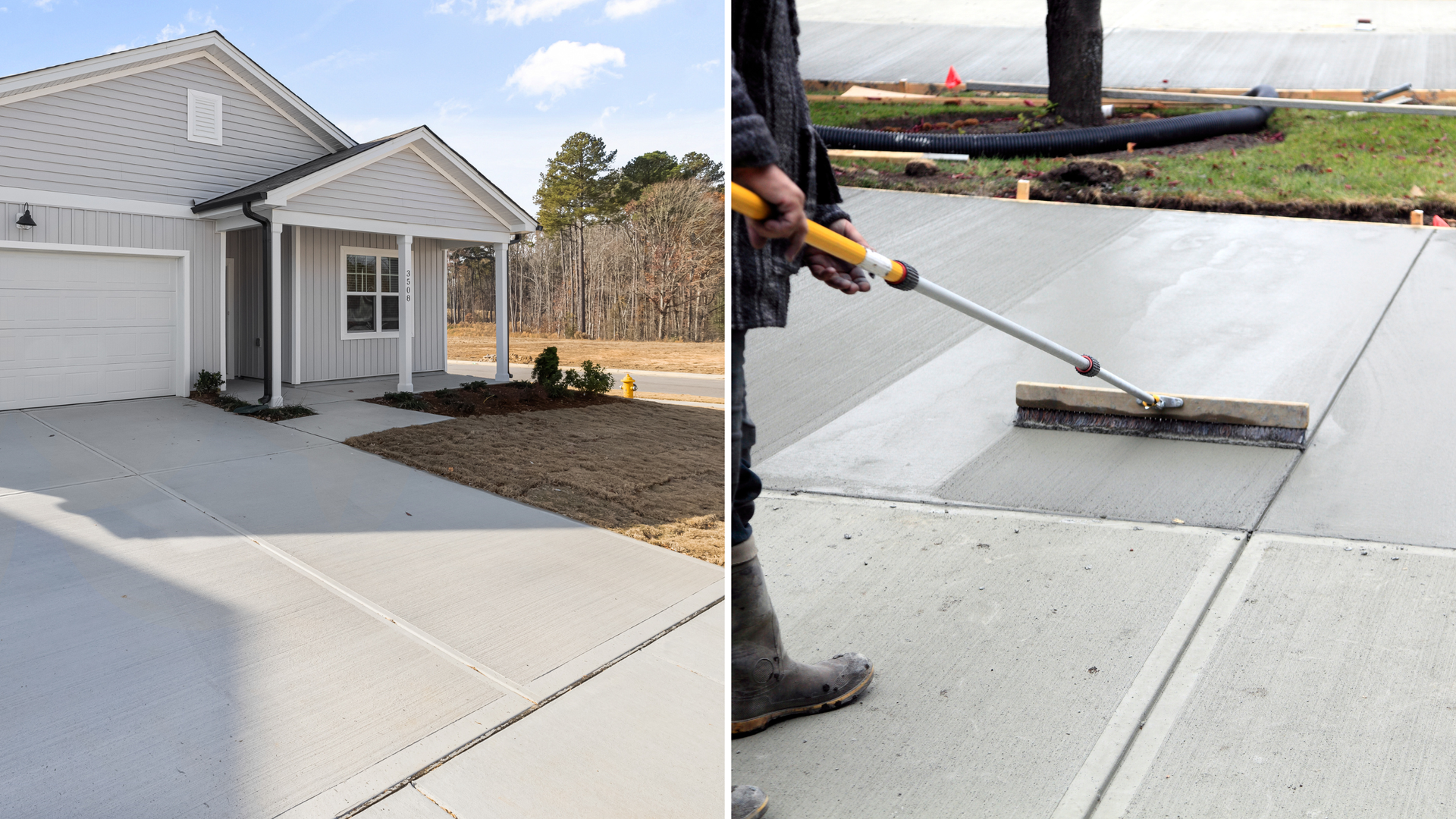
Broom Finish vs Smooth Finish
- Broom Finish provides traction and is the most popular option for Aurora homeowners.
- Smooth Finish is used for modern designs but is more slippery when wet or icy.
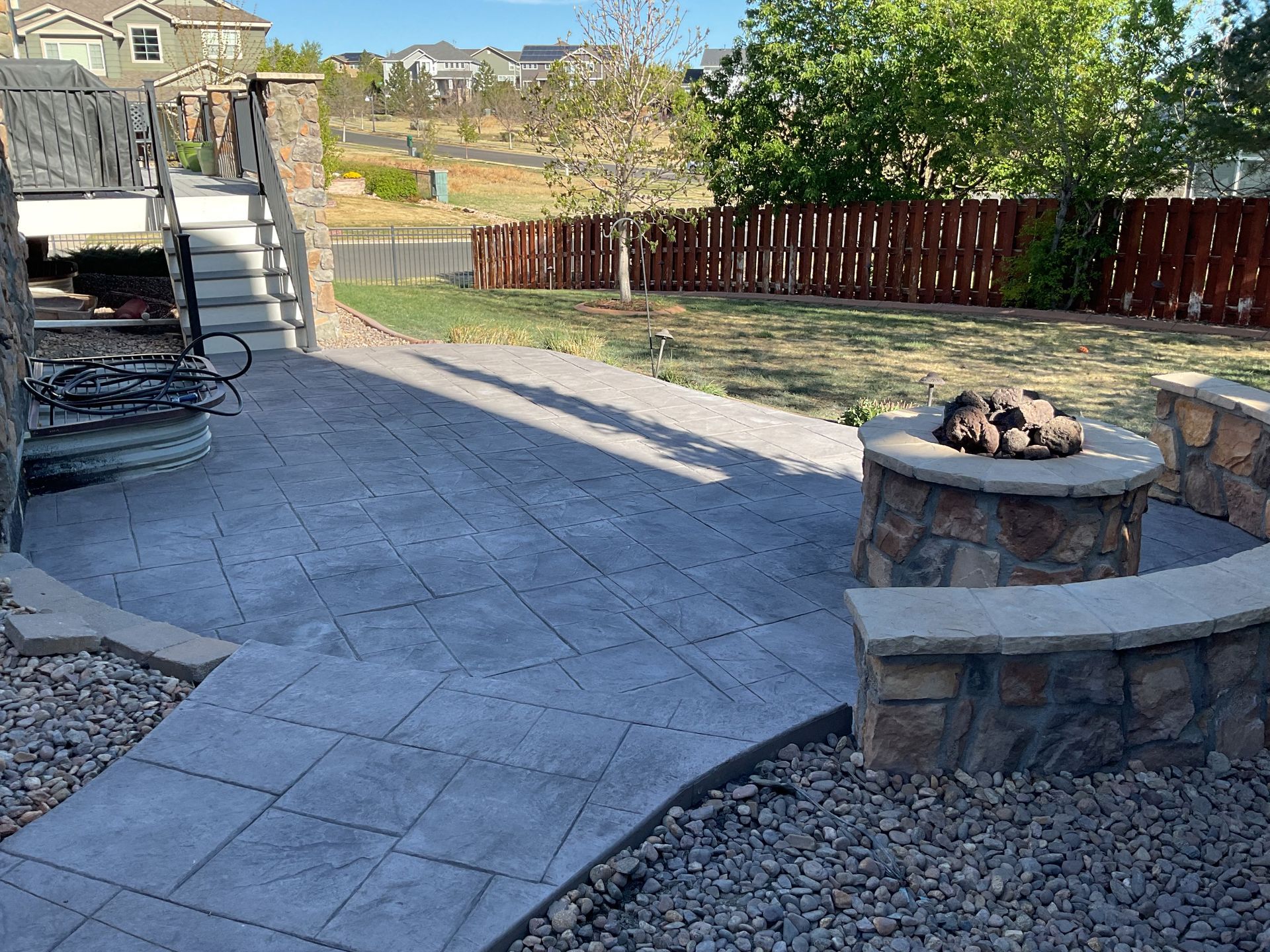
Adding Decorative Options
If you want elevated curb appeal, decorative finishes can be added:
- Colored concrete
- Stamped patterns
- Decorative borders
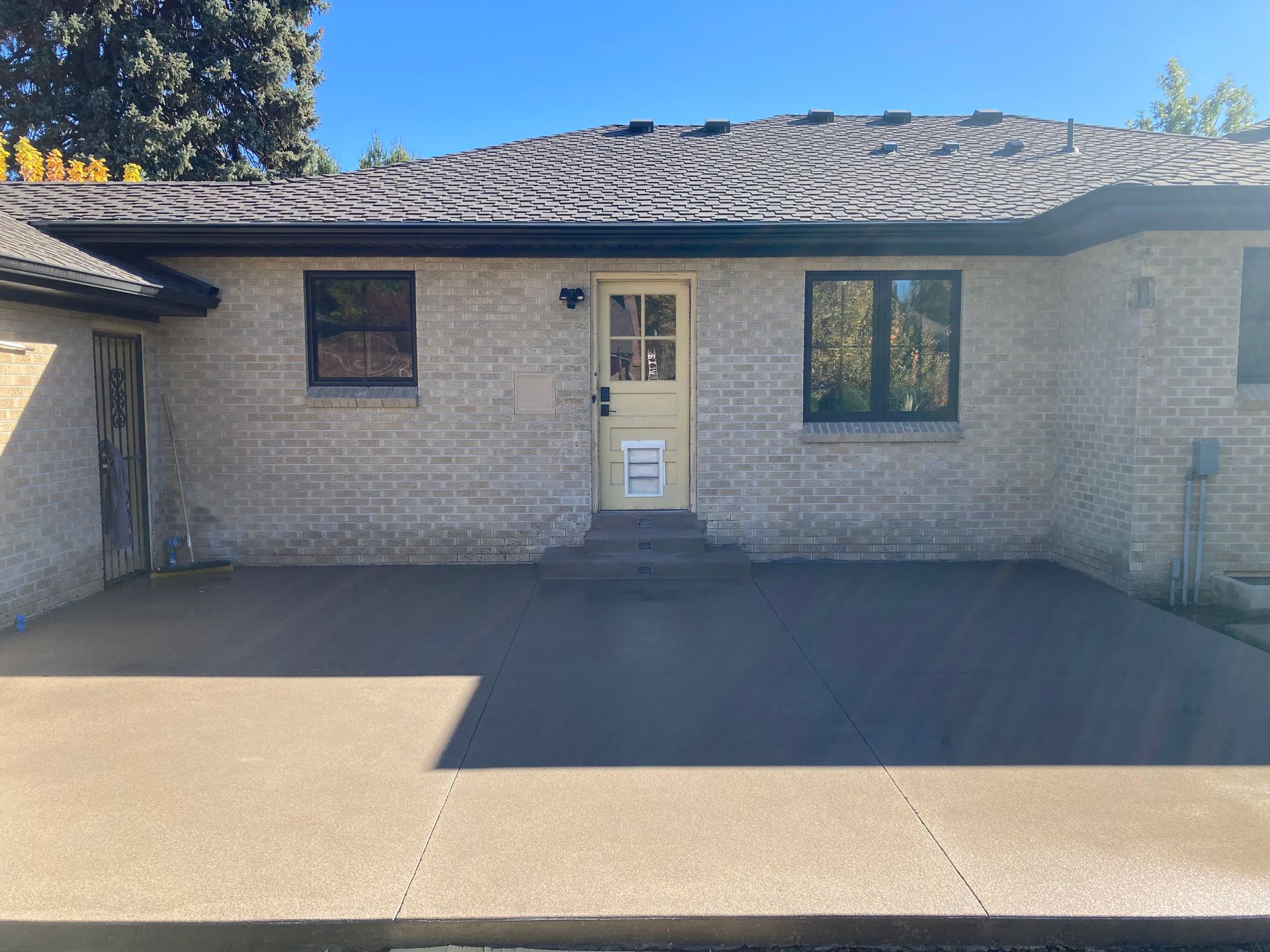
- Exposed aggregate
Stamped and colored driveways offer a premium appearance and allow you to match the style of your home.
Step 7: Curing the Driveway
Proper Curing Time in Aurora
Curing ensures the concrete reaches full strength. Timing is important for preventing cracks.
General curing timeline:
- No foot traffic for 24 to 48 hours
- No parking for 7 days
- Full strength at 28 days
In cooler temperatures, curing may take slightly longer.
Cold-Weather Curing Considerations
Installers often use curing blankets or additives when temperatures drop to protect the slab from early freeze damage.
Step 8: Sealing for Long-Term Protection
When to Seal
Most driveways should be sealed 30 days after installation and then every 2 to 3 years.
Benefits of Sealing
- Protects from de-icing salts
- Helps prevent surface scaling
- Reduces moisture penetration
- Keeps the surface looking clean and smooth
High-quality sealing extends the life of your driveway significantly.
What Impacts the Cost of Concrete Driveway Installation in Aurora?
Every property is different, so pricing varies. Here are the most common factors:
Size
Larger driveways require more concrete, more labor, and more reinforcement.
Thickness
- Standard: 4 inches
- Heavy-duty or large vehicles: 6 inches
Reinforcement
Rebar, wire mesh, or both add structural stability and increase cost slightly.
Excavation Needs
Properties with soft soil or uneven terrain may require deeper excavation and more gravel.
Decorative Choices
Borders, stamped patterns, and color hardeners add visual appeal and affect the final cost.
How to Choose the Right Concrete Driveway Contractor in Aurora
Selecting the right team is essential to getting results that last. Here is what to look for:
Experience With Local Climate
Aurora’s weather requires specific concrete mixes, curing techniques, and base preparation. Hire a contractor familiar with these conditions.
Portfolio and Past Work
Ask for examples of completed driveways to evaluate quality and style.
Reviews and Reputation
Look for consistent ratings related to communication, punctuality, and workmanship.
Warranty and Transparency
A strong warranty shows confidence in workmanship and materials.
Why Homeowners Choose FortifyCrete Co.
FortifyCrete Co. provides Aurora concrete driveway installations that balance visual appeal, structural integrity, and long-term performance. Homeowners appreciate the team’s craftsmanship, clear communication, and knowledge of local building conditions.
FAQs About Concrete Driveway Installation in Aurora
How long does a concrete driveway last in Aurora?
A properly installed and maintained driveway typically lasts 25 to 30 years or more.
How often should I seal my driveway?
Every 2 to 3 years is recommended for homes in the Denver metro area.
What is the best time of year to install a concrete driveway?
Late spring through early fall provides the most stable temperatures for installation, though installations can still be done in cooler weather with proper precautions.
Can you install a driveway in winter?
Yes, but special cold-weather procedures and materials must be used to protect the concrete during curing.
What thickness is recommended for Colorado?
Most homes select a 4-inch slab. Larger driveways or heavy vehicle use may need a 6-inch slab.
Conclusion
A well-installed driveway enhances your property and performs well in Aurora’s climate when completed with proper planning, reinforcement, installation, and maintenance. Understanding this step-by-step process helps homeowners make confident decisions and ensures the final result meets both functional and visual expectations.
If you need professional assistance, FortifyCrete Co. provides dependable concrete driveway services that align with local standards and premium workmanship. Contact us today to request a free estimate!